Picking the Ideal Custom Home Builder: Important Factors to Keep in Mind
Identifying the right custom home construction professional is a crucial consideration that can substantially impact the trajectory of a construction project. Multiple factors, such as the contractor's background, professional standing, and communication approach, hold significant importance. Grasping your personal goals and requirements is just as vital. As future homeowners consider these factors, they must also evaluate design adaptability and cost transparency. All aspects merit careful consideration, necessitating an examination of what really establishes a construction professional the right fit.
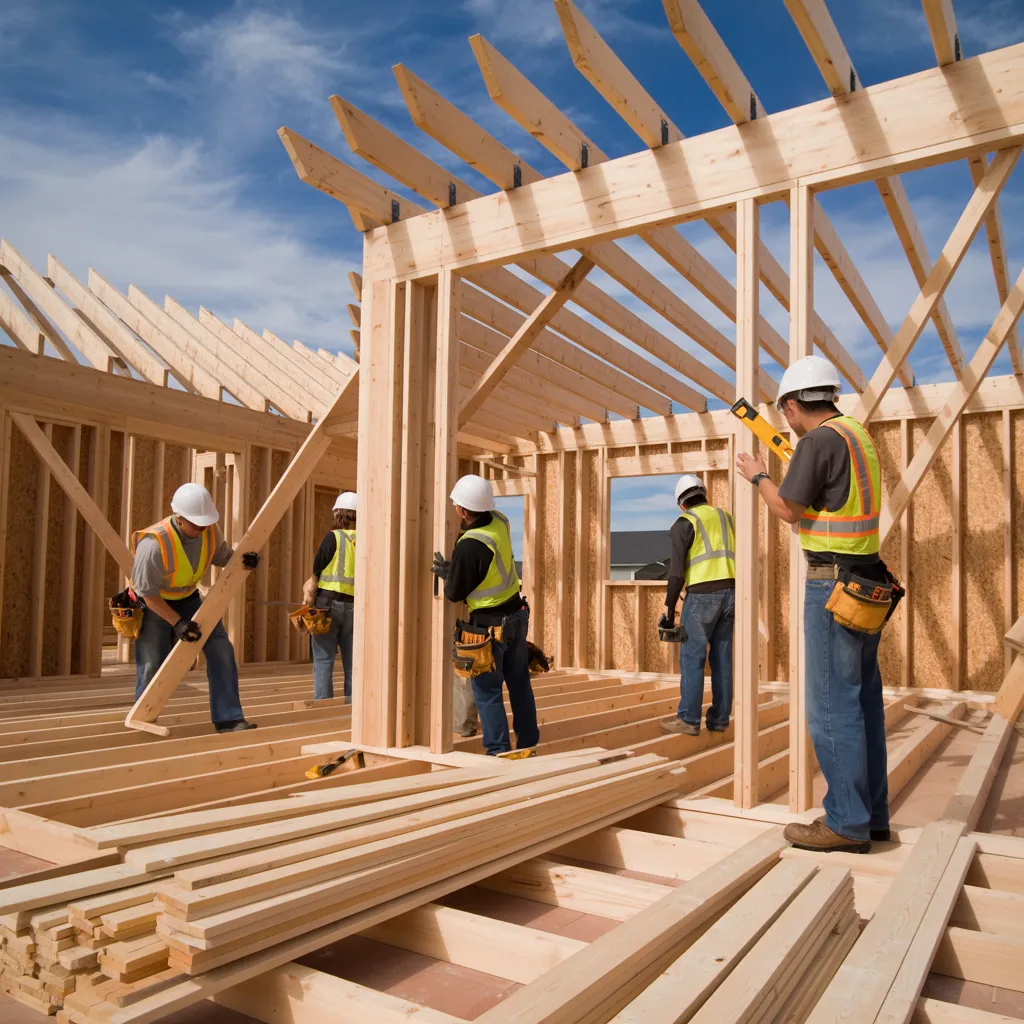
Investigating Builder Experience and Reputation
When picking a custom homebuilder, researching their experience and reputation is essential. A builder's portfolio of completed projects can offer important information about their trustworthiness and quality of work. Potential homeowners should seek out builders with a history of successful projects that match their desired style and quality. Reviewing online feedback and testimonials can highlight the feedback from former clients, showcasing both advantages and shortcomings.
Additionally, it is helpful to verify any trade certifications or associations, as these generally signal a commitment to professional standards. Speaking with area real estate agents or inspecting completed projects can also offer perspectives on a contractor's portfolio. Obtaining facts about how long a builder has worked in the industry can further strengthen your assessment, as longevity often correlates with stability and experience. As a whole, thorough research into a builder's experience and reputation lays a solid foundation for a rewarding construction experience.
Recognizing Your Vision and Objectives
What steps can homeowners take to clearly communicate their vision and requirements when embarking on a custom home project? Clear communication is key. It is important for homeowners to first establish their lifestyle requirements, such as family size, daily routines, and future plans. This foundational understanding helps shape the overall layout and functionality of the home. Visual aids, like inspiration boards or sketches, can also assist in conveying specific design preferences, spanning architectural designs to color selections.
Moreover, establishing spending parameters allows construction professionals to provide workable solutions without sacrificing the client's aspirations. Consistent review on priorities guarantees that the building endeavor continues to meet shifting demands. Participating in transparent dialogues with loved ones can more precisely define plans, confirming all perspectives are addressed. Above all, a thoroughly expressed plan functions as a directing structure, equipping building experts to turn conceptual dreams into physical structures while encouraging a cooperative relationship along the building journey.
How to Evaluate Builder Communication and Teamwork?
Clear communication and collaboration are critical factors when choosing a custom home builder. Evaluating initial response times, analyzing communication styles, and observing team collaboration dynamics can provide valuable insights into a builder's operational effectiveness. By prioritizing these key elements, homeowners can more accurately assess whether a builder suits their specific project requirements.
Response Time Overview
Timely communication serves as a pivotal indicator of a builder's expertise and collaborative approach. When evaluating custom home builders, potential clients should carefully observe early response times. A contractor who quickly responds to questions shows consideration for the client's schedule and a willingness to begin the project. Fast response times typically signal an efficiently managed team that places customer care at the forefront. On the other hand, slow responses may indicate underlying problems within the builder's workflow, such as inadequate staffing or poor management practices. Future homeowners are advised to evaluate reply times during early communications, as this can provide valuable insights into the builder's overall approach and reliability throughout the home-building process.
Communication Style Assessment
How can clients evaluate a builder's communication approach and collaborative skills? Future homeowners can start by assessing early exchanges. Speed of responses and precision in shared information serve as vital signs. Scheduling a study face-to-face meeting or phone call can further reveal the builder's communication approach. Observing how well the builder listens to client concerns and articulates solutions is essential. Moreover, clients should question the builder regarding preferred communication platforms—including email, telephone, or face-to-face discussions—since these can impact overall project flow. Collecting feedback or opinions from past clients can additionally shed light on the builder's ability to sustain clear channels of communication. Ultimately, understanding these aspects helps guarantee a collaborative and transparent building process.
Team Collaboration Dynamics
Understanding a builder's communication style sets the stage for examining how teams work together. Successful teamwork depends on clear, consistent communication across all team members, including suppliers, architects, and subcontractors. Potential homeowners should examine how the builder facilitates dialogue during team gatherings, making sure every participant is heard. Monitoring the response rate of the builder to queries and challenges can demonstrate their dedication to collaboration. Additionally, looking into past work and client reviews may shed light on the builder's ability to foster a cohesive team environment. A cooperative work setting often leads to more efficient project delivery, minimizing delays and misunderstandings. Ultimately, a builder's approach to teamwork can have a profound effect on the complete success of the bespoke home building process.
Reviewing Design Flexibility and Personalization Choices
When selecting a custom home builder, assessing flexibility in design and available customization is crucial, as these factors heavily affect the overall contentment with the final product. A builder's readiness to modify plans according to individual needs can significantly improve the client's overall experience. Prospective clients should inquire about the variety of design choices available, including layouts, building materials, and finishing options.
Additionally, it is essential to examine how the contractor integrates cutting-edge features and contemporary technologies, which can improve both functionality and overall appearance. Clients should also consider the builder's prior developments, assessing how well they have carried out tailored requests in the past. Transparent dialogue regarding design concepts and the flexibility to adjust plans during the building phase can further signal a constructor's focus on customization. At the end of the day, thorough evaluation of these considerations confirms that the chosen construction professional aligns closely with the client's vision and personal requirements.
Validating Licenses and References
Alongside licenses obtaining references from former clients is crucial. Satisfied clients often provide insights into the builder's work ethic, quality of craftsmanship, and adherence to timelines. Future homeowners are encouraged to obtain a catalog of recent builds and connect with these references for straightforward assessments. Web-based reviews and customer endorsements can complement this knowledge, delivering a more comprehensive picture of the builder's track record. By thoroughly verifying licenses and references, homeowners can make informed decisions and guarantee a successful partnership in their custom home building journey.
How to Assess Costs With Custom Home Builders
When evaluating costs among custom home builders, it is essential to familiarise yourself with the various cost frameworks they employ. Requesting detailed estimates enables potential clients to review a detailed cost breakdown, promoting clarity. Moreover, evaluating what is and isn't included can highlight considerable disparities in offerings among builders.
Grasp Pricing Structures
How does one successfully manage the multiple pricing formats offered by custom home builders? Grasping these frameworks is critical for making informed comparisons. Builders typically present pricing in various formats, such as fixed-price contracts, cost-plus contracts, or design-build contracts. A set-price contract offers a transparent sum from the start, reducing unexpected costs, while cost-plus agreements bill the real expenses along with a service fee, which may result in greater total costs. Design-build arrangements consolidate the approach by combining design with construction, but expenses can differ considerably according to the extent of work. It is necessary to thoroughly review what is covered within each pricing structure, such as allowances for materials and labor. By gaining a complete grasp of these frameworks, prospective homeowners are better equipped to make sound decisions concerning their custom home endeavor.
Obtain Detailed Estimates
Requesting detailed estimates from custom home construction companies is crucial for informed price comparison. Such quotes should itemize costs associated with materials, labor, permits, and any additional fees. By gathering several estimates, prospective homeowners can identify differences in pricing and assess the range of each builder's services. It is essential to guarantee that estimates are founded upon the same project details to support an reliable comparison. Builders may offer various options, from standard to high-end materials, affecting overall costs. Future homeowners should also request information on payment schedules and any unforeseen expenses that may arise during the building process. A detailed analysis of such quotes can reveal not only monetary obligations but also the standard of integrity and competence of each builder.
Review Inclusions and Exclusions
What factors should homeowners consider when assessing the inclusions and exclusions offered by custom home builders? First, it is essential to identify what particular elements are covered in the base price, such as fixtures, flooring, and cabinetry. Homeowners are encouraged to thoroughly assess the quality and brands of these inclusions, as they can significantly influence overall satisfaction and long-term value. Additionally, understanding exclusions is crucial; these are costs that may arise later, such as landscaping or upgrades. It is recommended that homeowners obtain detailed lists from several builders to enable a thorough comparison. Moreover, evaluating the customization options available within each builder's package can highlight potential hidden costs or savings. In the end, a comprehensive comparison can help homeowners arrive at a well-informed decision that matches their financial plan and expectations.
What to Anticipate From Warranties and Post-Construction Support
A sense of security frequently comes with the choice to purchase a custom home, particularly when examining warranties and post-construction support. New homeowners should look for comprehensive warranties that address structural integrity, major systems, and materials used in construction. In most cases, these warranties span for a specific period, ranging from one to ten years, ensuring protection against faults and concerns that might emerge.
Post-construction support is equally important, as it gives homeowners the support they need after the project is completed. Construction teams should establish a transparent approach for addressing concerns, conducting regular maintenance checks, and facilitating repairs. Clear communication is essential during this phase, as it builds a foundation of trust and guarantees that homeowners receive the attention they deserve.
Ultimately, understanding the details surrounding post-construction support and warranties plays a major role in a homeowner's satisfaction and peace of mind, making it a critical factor when selecting a custom home builder.
Common Questions and Answers
How Long Does the Custom Home Building Process Typically Take?
The process of building a custom home generally requires from six months up to a year or longer, based on factors such as permitting timelines, design complexity, weather factors, and the experience of the builder, each of which can significantly impact the overall timeline.
What Are Common Pitfalls to Avoid When Selecting a Builder?
Typical errors to avoid when hiring a builder include neglecting to check references, ignoring the specifics of the contract, failing to communicate expectations, disregarding the quality of previous projects, and failing to assess the builder's familiarity with particular design styles or materials.
Is It Possible to Modify My Design During the Construction Process?
Certainly, modifications to the design are possible during the construction phase, but these modifications might cause setbacks and increased costs. It's important to have open and direct communication with the contractor to understand the implications of any modifications on the project timeline and budget.
What Financing Solutions Are Available for Custom Home Construction?
A variety of financing options are offered for custom-built homes, including construction loans, FHA loans, and conventional mortgages. Aspiring homeowners should consider these pathways, assessing interest rates, loan terms, and eligibility criteria prior to reaching a conclusion.
How Do Builders Handle Unexpected Issues During Construction
Construction professionals generally handle unanticipated challenges throughout the building process by assessing the situation, discussing matters with the client, and executing appropriate fixes. These professionals frequently modify schedules and financial plans as needed, guaranteeing clear disclosure and upholding construction standards at every stage.